


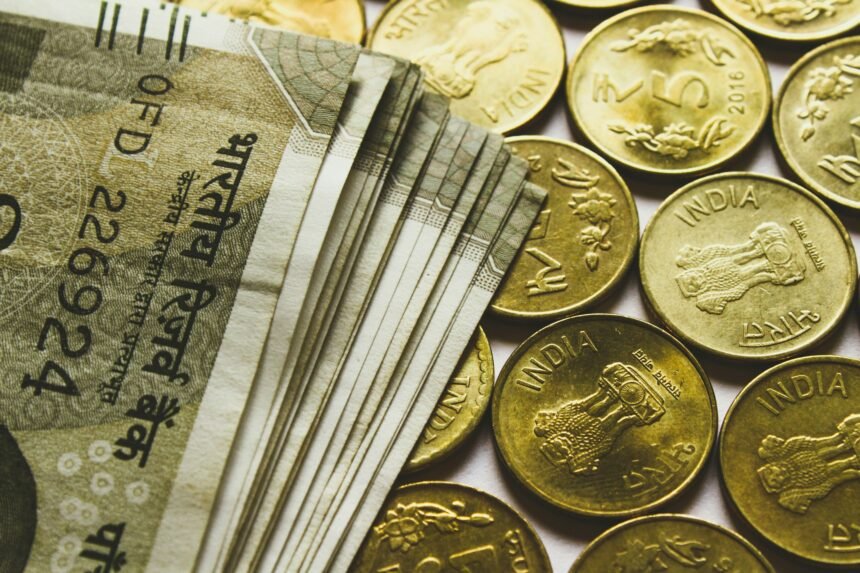
The Indian rupee touched a record low on Tuesday as investor sentiment weakened due to steep U.S. import tariffs and higher H-1B visa fees. However, market participants believe possible intervention by the Reserve Bank of India helped curb deeper losses.
During the session, the rupee fell to ₹88.7975 per U.S. dollar before closing at ₹88.7550, marking a 0.5% decline — its sharpest single-day drop in nearly a month. The weakness follows the recent increase in H-1B visa costs, a move that could significantly squeeze profit margins in India’s information technology sector, which is heavily reliant on U.S. markets.
The pressure has been compounded by Washington’s decision to impose 50% tariffs on Indian exports, the highest rate applied to any Asian nation. Analysts warn that such measures could dampen trade flows and widen India’s current account gap. According to estimates from HSBC economists, the 5.4 million Indians living in the United States collectively remit around $33 billion to India annually. With nearly 80,000 new H-1B visa applications filed every year, any slowdown in approvals could reduce remittance inflows by as much as $500 million, they said in a recent report.
Experts caution that the risks extend beyond remittances. “The concern is that tighter restrictions on services exports may follow, while the rollback of the 50% tariff could take longer than markets currently expect,” the report noted. For now, traders will be closely watching global trade negotiations, policy signals from Washington, and the Reserve Bank’s stance as the rupee remains under pressure near historic lows.